
My Baby & Chinese Medicine: Frequently Asked Questions
The early months of a baby's life are a time of enormous growth, adjustment and discovery. As parents navigate feeding, sleep, digestion and all the little changes that come with a newborn, it's natural to wonder whether Chinese medicine may have a role in supporting their baby's wellbeing.
Traditional Chinese medicine (TCM) offers its own way of understanding health, development and balance. However, babies are not simply little adults, and any treatment needs to be carefully considered, gentle and appropriately according to their age, health and individual needs.
Below are some common questions parents ask about babies and Chinese medicine.
1. How early can I take my baby for acupuncture?
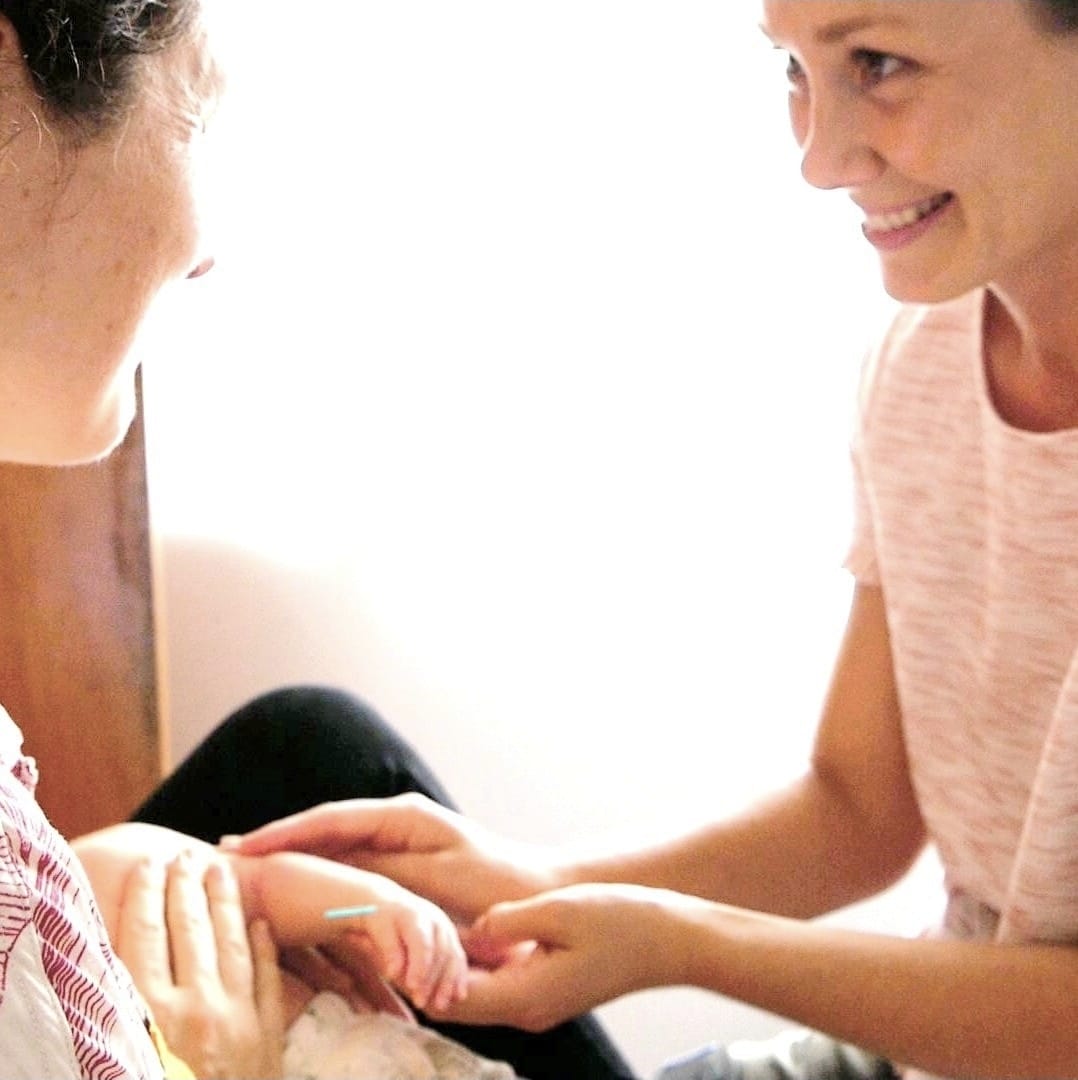
There is no universally accepted minimum age for acupuncture in babies. It is also highly important to keep your baby safely at home in the early weeks, away from pathogenic factors including flus and viruses within you town or city. However, if your baby is experiencing common aliments such as colic, constipation, reflux, unsettled sleep or excessive crying these might be indications your baby has some underlying qi disharmony. Treatment with your acupuncturist may be considered within the first 3-6 months of babies life. Treatment does not need to include needles. Actually very commonly babies see great results with the most gentle acupressure applied to specific areas. Treatment given to babies is a wonderful experience for the whole family. There is always lots of helpful tools such as baby massage techniques for parents to practice at home. Learning to regulate your baby is empowering and may also reduce need for unnecessary medications. In all account do contact your GP with any questions regarding your babies wellbeing.
2. How old does my baby need to be to receive Chinese herbal medicine?
In my practice I wont prescribe Chinese herbal medicine to a baby. It is important to allow a baby to integrate and digest the new world they encompass. A babies meridian system is still developing every day once baby leaves the womb. The digestive system undergoes considerable transformation within the first 5 years of life. I commonly suggest gentle practices like tui na massage, cupping or laser treatment treating any ailment. Secondly dietary therapy is a most wonderful way to bring bout better strength and support to little bodies who have began eating solids. And thirdly herbal medicine might be more appropriate after the ages of 5 for chronic health concerns, pathogenic factors or constitutional imbalances. It is important for breast feeding mothers to stay away from medications and toxins. Very often any noticable digestive discomfort may be related to the mothers consumption of specific foods, alcohol or medications.
You might also like to consult your baby's GP or paediatrician before any herbal treatment is considered.
3. What kinds of concerns might parents discuss with a Chinese medicine practitioner?
Parents may seek advice about a range of common infant concerns, including:
Digestive discomfort: wind, unsettled feeding, or difficulty passing stools.
Sleep and settling: difficulty settling, frequent waking or general restlessness.
Feeding concerns: fussiness during feeds or concerns about feeding patterns.
Skin concerns: dry or irritated skin and recurring rashes.
- General wellbeing: questions about age-appropriate routines, gentle touch and supporting a baby's comfort.
Chinese medicine may be explored as a complementary approach in selected circumstances, but it should not replace recommended medical care, feeding support or developmental checks.
4. According to Chinese medicine, how should a baby spend the first 40 days of life?
In Traditional Chinese culture/medicine, the first month or so after birth is considered a particularly important period for recovery, bonding and adjustment. The practice of zuo yue zi (坐月子), often translated as “sitting the month,” traditionally focuses on protecting the mother's recovery while the family adjusts to life with a newborn.
Although the tradition is primarily centred on the mother's postpartum recovery, it also offers a helpful way to reflect on the environment and support surrounding a new baby.
From a traditional perspective, this early period is a time for warmth, nourishment, rest and gentle care.
Warmth and comfort
Traditional Chinese medicine places importance on keeping the mother and baby comfortably warm. Families may use warm clothing, cosy bedding, warming foods for the mother and a calm home environment.
Feeding and nourishment
Frequent feeding, close contact and responsive care are central to newborn life. Breastfeeding support, or appropriate infant formula when needed, helps ensure the baby receives adequate nutrition.
Traditional food practices may also focus on nourishing the mother as she recovers from birth. The mother would enjoy cooked, warm foods only, bone broth and only warm drinks. Any herbal ingredients or medicinal foods should be checked for safety, particularly during breastfeeding.
Rest and bonding
The first 40 days can be an opportunity to slow down, reduce unnecessary demands and allow parents to recover while getting to know their baby.
Skin-to-skin contact with mother and father, responsive feeding, cuddling and a predictable, calming environment can help support bonding and babies secure attachment.
Gentle stimulation
Newborns do not need a busy schedule or constant entertainment. Quiet interaction, talking, singing, holding and responding to their cues provide opportunities for connection without overwhelming them.
There is no need to rush into treatments or interventions simply because the baby is young. Often, the most valuable support during this period is helping parents feel confident, rested and well supported.
Supporting the whole family
The traditional emphasis on rest and nourishment can be adapted to modern family life. Practical help with meals, household tasks and caring for older siblings can give parents more time to recover and bond with their baby.
The first 40 days do not need to follow rigid rules. Every birth, baby and family is different, and traditional practices should complement appropriate postnatal and newborn healthcare.